Compare Local Contractors for Attached Garage Installation Success
Compare local contractors to define your project scope, verify experience, and set clear expectations for attached garage installation.
Attached garage installation projects typically involve constructing or attaching a new garage space directly to an existing property, often requiring modifications to the foundation, framing, roofing, and exterior walls. The scope of work can vary depending on factors such as the size of the garage, the materials used, and any additional features like electrical wiring or insulation. Clearly defining the scope helps property owners understand what tasks are included, what materials will be used, and what the finished structure will entail, ensuring that expectations are aligned and reducing the potential for misunderstandings.
Establishing a well-defined scope of work is essential when working with contractors for attached garage installation. It provides a detailed outline of the project’s components, which can serve as a basis for written agreements and help prevent scope creep. When property owners specify exactly what they need-such as the dimensions, finishes, and any special requirements-they can better evaluate whether a contractor has the appropriate experience and resources. This clarity also facilitates more accurate comparisons between local service providers, making it easier to assess their capabilities and ensure the work aligns with project goals.
To compare local contractors effectively, property owners should consider their experience with similar garage projects, the quality of their previous work, and their reputation within the community. It’s helpful to review portfolios or references, ask about their process for defining project scope, and verify that they understand the specific requirements of attached garage installations. Getting detailed written proposals that outline the scope, materials, and responsibilities allows for side-by-side comparisons, making it easier to identify which service providers are best suited to meet the project’s needs and expectations.
Compare local contractors by outlining project priorities, verifying experience, and clearly defining scope and expectations in writing.
- Compare Contractor Experience - review the backgrounds of local contractors to ensure relevant expertise in garage installation.
- Define Project Scope Clearly - outline specific requirements and expectations to facilitate accurate proposals.
- Verify References and Past Work - check previous projects and client feedback to assess contractor reliability.
- Document Agreements in Writing - establish clear, detailed contracts to set expectations and prevent misunderstandings.
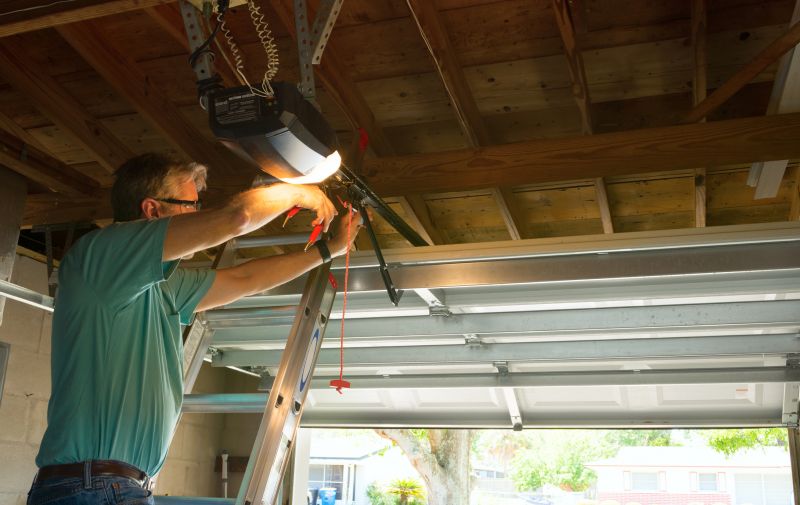
Clearly define your attached garage project and compare local contractors based on experience, scope, and written expectations.
- Verify the contractor’s experience with attached garage installations to ensure familiarity with similar projects. - Consider how the scope of work is clearly defined and documented in the project agreement.
- Compare multiple service providers to assess their expertise, reputation, and quality of previous garage installation projects. - Ensure the contractor provides detailed descriptions of the work to be performed.
- Check that the contractor’s credentials include appropriate insurance coverage to protect against potential liabilities. - Confirm that all project expectations, including materials and finishes, are outlined in writing.
- Assess the contractor’s ability to coordinate with other trades or contractors involved in the garage installation process. - Review references or past project examples to gauge the quality of completed garage installations.
- Ensure the scope of work includes all necessary steps such as framing, insulation, and door installation for the attached garage. - Clarify the warranty or service guarantee terms provided by the service provider.
Compare local contractors’ experience and clarify project scope to ensure your garage installation meets expectations.




When comparing contractors for attached garage installation, focus on defining scope, verifying experience, and maintaining consistent expectations.
- Scope Definition - Clearly outline the specific tasks and materials involved in the attached garage installation to establish project boundaries.
- Experience Verification - Confirm that local contractors have relevant experience with garage attachment projects to ensure competency.
- Material and Design Choices - Specify preferred materials, styles, and structural requirements to align expectations with available options.
- Project Requirements - Identify any site-specific conditions or permits needed to inform the scope and planning process.
- Documentation and Agreements - Ensure all project details, scope, and expectations are documented in writing before work begins.
When comparing contractors for attached garage installation, it is important to evaluate their experience with similar projects. Homeowners should inquire about the types of garages they have built or renovated in the past, paying attention to the complexity and scope of those projects. Contractors with a history of successful attached garage installations are more likely to understand the specific challenges involved, such as structural adjustments, integration with existing home systems, and adherence to local building standards. Gathering details about their previous work can help assess their familiarity with the process and the quality of their craftsmanship.
A clear, written scope of work is essential when evaluating potential service providers. Homeowners should seek detailed descriptions of what the installation will include, such as foundation work, framing, door installation, electrical connections, and finishing touches. A well-defined scope helps prevent misunderstandings and ensures that both parties have aligned expectations. It also provides a basis for comparing different contractors’ proposals, highlighting differences in the extent of work covered and the level of detail provided.
Verification basics involve confirming that contractors have a solid track record of completing attached garage projects in the local area. Homeowners can ask for references or examples of completed work similar to the project at hand. Checking for consistency in the quality and scope of previous projects can provide insight into the contractor’s reliability and experience. Additionally, verifying that the contractor adheres to local building codes and regulations is a key step, ensuring that the work will meet necessary standards and avoid potential issues during inspections or future property transactions.
When evaluating options, homeowners should focus on the clarity of communication, the comprehensiveness of the scope, and the contractor’s experience with similar projects. Comparing the details provided in proposals or estimates can reveal how well each service provider understands the project’s requirements. It is also helpful to consider how each contractor approaches problem-solving, their responsiveness to questions, and their willingness to provide thorough explanations. This approach ensures that the selection process is based on expertise, professionalism, and the ability to deliver a finished garage that meets the homeowner’s needs, without relying on price as the sole factor.
Request written details from service providers to clearly define the scope and ensure consistent expectations.
- Experience and References - What experience do the contractors have with attached garage installations similar to the project scope?
- Scope of Work - How do the contractors define and document the specific tasks included in the garage installation?
- Project Expectations - What details do the contractors provide in writing to clarify the project scope and deliverables?
- Comparison Criteria - What factors should be considered when comparing the qualifications and approach of different service providers?
- Communication and Clarifications - How do the contractors handle clarifying project details and addressing any scope questions during the planning process?
What should I consider when choosing a contractor for attached garage installation? It’s important to compare local contractors based on their experience, reputation, and the scope of services they offer. Clearly define the project details to ensure the contractor understands your needs.
How can I verify a contractor’s experience with garage installations? You can review their portfolio of completed projects, ask for references, or check online reviews to assess their background and expertise in attached garage construction.
Why is it important to define the scope of work in writing? Having a detailed written scope helps set clear expectations, reduces misunderstandings, and provides a reference for the project's agreed-upon work and responsibilities.
What questions should I ask a contractor before hiring for garage installation? Ask about their experience with similar projects, the process they follow, how they handle permits or inspections, and how they plan to communicate during the project.
How can I compare different contractors effectively? Review their credentials, compare the scope of services offered, request detailed proposals, and consider their reputation and previous work to make an informed decision.
What role does a written contract play in garage installation projects? A comprehensive written contract outlines the scope, expectations, and responsibilities, helping to ensure all parties are aligned and reducing potential disputes during the project.
Homeowners now have the information needed to compare local contractors for attached garage installation, including understanding how to define the project scope, verify experience, and set clear expectations in writing. Utilizing the quote form allows for easy comparison of different service providers, helping to identify options that align with specific project needs.
Taking a few moments to fill out the quote form can connect you with qualified local service providers who specialize in garage installation. This process supports making informed decisions by reviewing available options and ensuring that expectations are clearly communicated before any work begins.